Interlane operates direct vehicle transport from Hamilton, Ontario to Burnaby, British Columbia, covering every kilometre of this coast-to-coast corridor with full insurance coverage, real-time shipment tracking, and a choice of open or enclosed transport to match your vehicle and budget.
Whether you're relocating to the Lower Mainland or sending a vehicle across the country, our team manages the entire move from pickup in Hamilton to delivery at your door in Burnaby.
Shipping costs from Hamilton to Burnaby typically range from $2,038 to $5,110 CAD depending on transport type and seasonal demand. Delivery typically takes 10 business days.
| Option | Low | Average | High | Frequency | Notes |
|---|---|---|---|---|---|
| $2,390 | $2,656 | $2,921 | Multiple departures per week | Residential pickup and delivery from Hamilton to Burnaby | |
| $2,038 | $2,265 | $2,491 | Weekly service | Cost-effective option for flexible drop-off and pickup | |
| $4,181 | $4,646 | $5,110 | By special request | Ideal for classic, luxury, or exotic cars |
Low
$2,390
Avg
$2,656
High
$2,921
Residential pickup and delivery from Hamilton to Burnaby
Low
$2,038
Avg
$2,265
High
$2,491
Cost-effective option for flexible drop-off and pickup
Low
$4,181
Avg
$4,646
High
$5,110
Ideal for classic, luxury, or exotic cars
The Hamilton to Burnaby corridor is one of the longest and most varied routes in Canadian vehicle transport. This route draws a wide range of customers — families relocating from the Greater Toronto Area to Metro Vancouver, dealerships moving pre-owned inventory west to meet coastal demand, corporate employees on inter-provincial transfers, and online vehicle buyers who've purchased in Ontario and need delivery to the Lower Mainland.
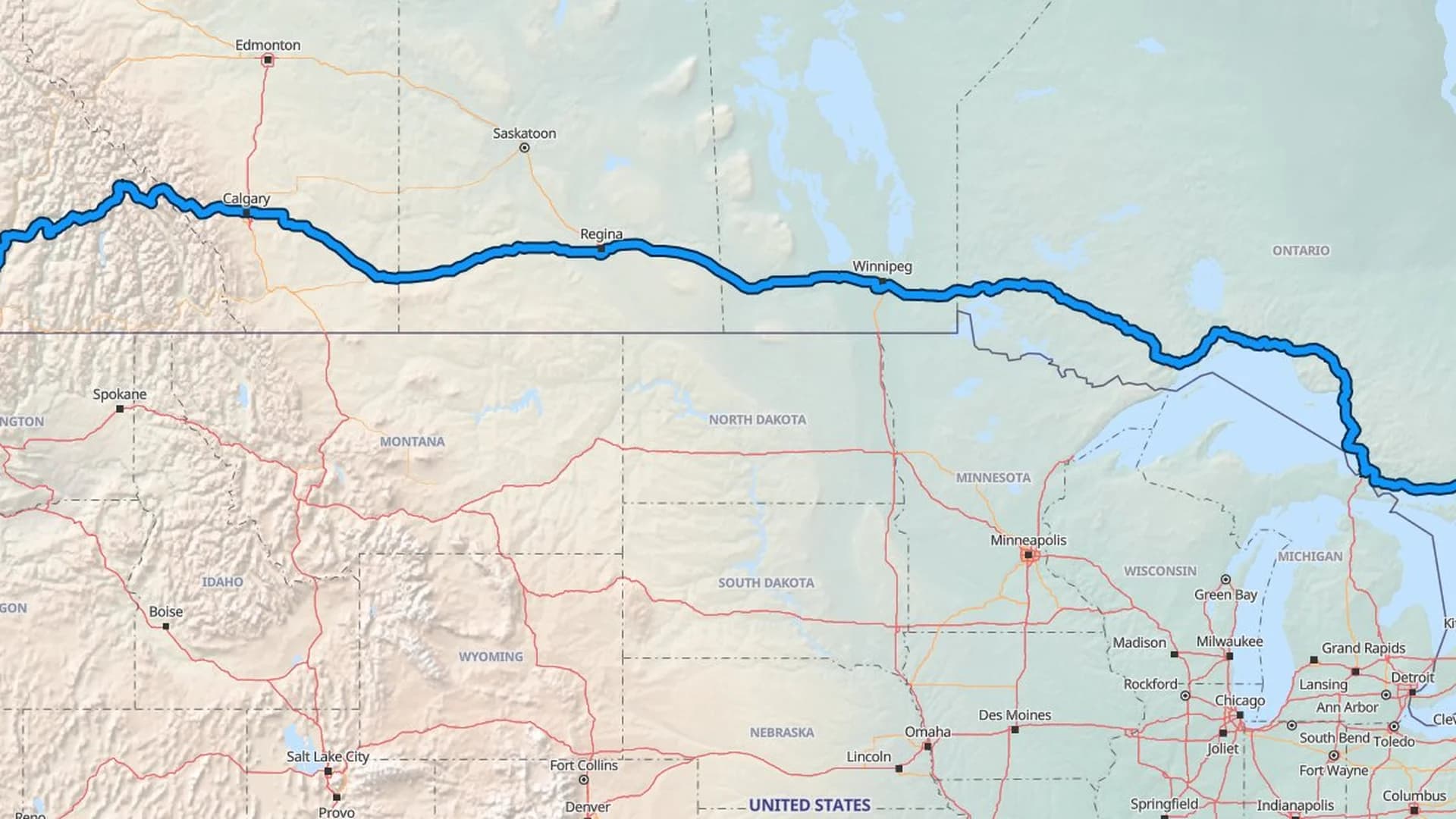
Leaving Hamilton, vehicles travel west along the 403 before connecting to the Trans-Canada Highway. The route moves through Southern Ontario past Toronto, enters the remote stretches of the Canadian Shield through Northern Ontario, crosses into Manitoba through Winnipeg, continues across Saskatchewan through Regina, then west through Calgary in Alberta. West of Calgary the terrain changes dramatically — vehicles travel through the Rocky Mountains via Banff and Kicking Horse Pass, navigate the BC interior through Kamloops and the Thompson River canyon, and arrive in Metro Vancouver through the Fraser Valley via Highway 1.

Enter your vehicle details and route information to receive an accurate, no-obligation quote for shipping from Hamilton to Burnaby — with pricing that reflects open or enclosed transport and current seasonal conditions along this corridor.
Confirm your pickup and delivery dates, choose your service level, and lock in your booking — our team coordinates the full cross-country schedule from there.
We collect your vehicle at your specified Hamilton address — whether that's near the waterfront, in the east end off Queenston Road, or anywhere across the city — your vehicle is inspected and documented before it leaves the ground.
Your vehicle travels the Trans-Canada Highway through Northern Ontario, Winnipeg, Regina, Calgary, through Kicking Horse Pass and the Rocky Mountains, down into the BC interior through Kamloops, and through the Fraser Valley on Highway 1 into Metro Vancouver.
We deliver to your address in Burnaby — whether that's near Metrotown, in North Burnaby above Hastings Street, or an industrial or commercial destination along Lougheed Highway — with a final inspection completed at drop-off.
Enter your vehicle details and route information to receive an accurate, no-obligation quote for shipping from Hamilton to Burnaby — with pricing that reflects open or enclosed transport and current seasonal conditions along this corridor.
Confirm your pickup and delivery dates, choose your service level, and lock in your booking — our team coordinates the full cross-country schedule from there.
We collect your vehicle at your specified Hamilton address — whether that's near the waterfront, in the east end off Queenston Road, or anywhere across the city — your vehicle is inspected and documented before it leaves the ground.
Your vehicle travels the Trans-Canada Highway through Northern Ontario, Winnipeg, Regina, Calgary, through Kicking Horse Pass and the Rocky Mountains, down into the BC interior through Kamloops, and through the Fraser Valley on Highway 1 into Metro Vancouver.
We deliver to your address in Burnaby — whether that's near Metrotown, in North Burnaby above Hastings Street, or an industrial or commercial destination along Lougheed Highway — with a final inspection completed at drop-off.

Rocky Mountain Pass Experience
Northern Ontario and Prairie Corridor Reliability
Fraser Valley Urban Delivery Precision
Seasonal Route Planning Across Five Provinces
End-to-End Carrier Ownership
Your car is dropped off at a designated shipping terminal and picked up at another terminal near the destination.
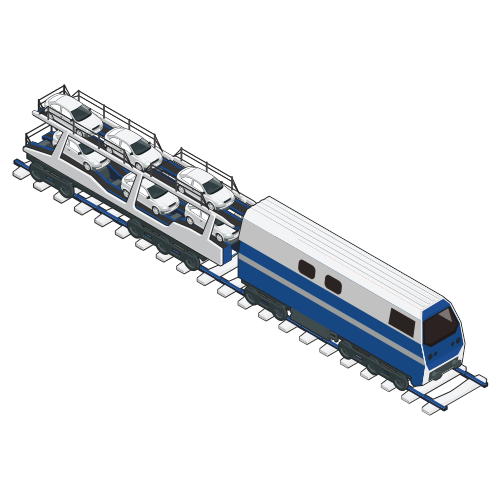
The shipping company picks up your car from your specified location and delivers it directly to the destination address via rail.
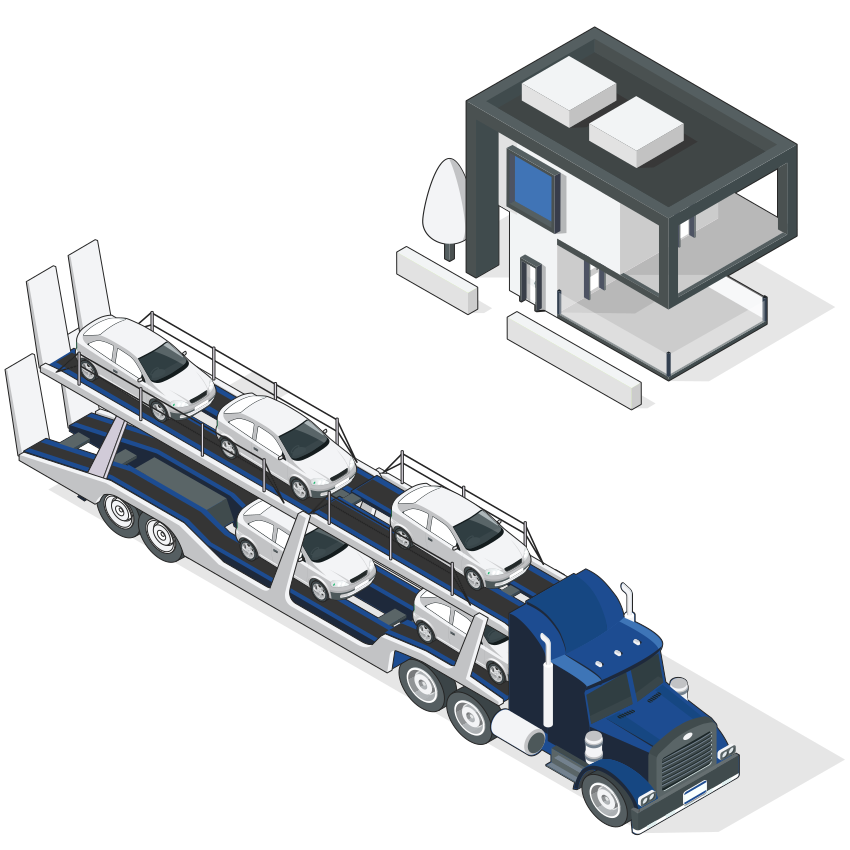
Your car is picked up at a designated address and dropped off at another address, typically your home or office.
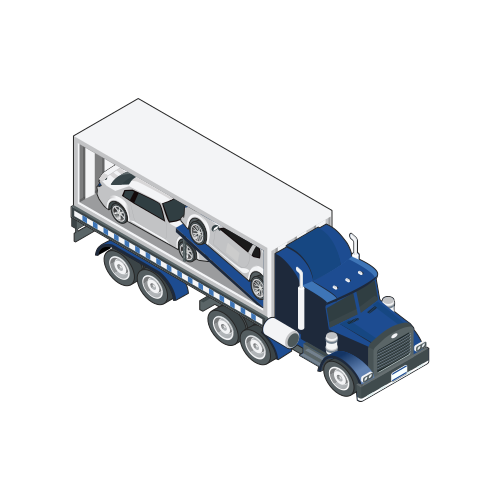
Your car is transported in a covered truck or trailer, protecting it from weather, debris, and road conditions.
Explore our specialized vehicle transport options for every need.
When timeline matters, express shipping prioritizes your vehicle's movement across the full Trans-Canada corridor without delays from consolidated loads. Given the distance — well over 4,000 kilometres including the Rocky Mountain crossing — express service ensures your vehicle doesn't wait at intermediate points in Calgary or Kamloops while other cargo catches up.
Larger SUVs and trucks require proper load positioning on the trailer, particularly for the mountain grades through Kicking Horse Pass where weight distribution directly affects safe descent. Interlane's equipment and drivers are experienced with the specific demands of hauling higher-profile, heavier vehicles through the BC mountain corridor and delivering them in good condition to Burnaby.
Electric vehicles crossing Canada should be transported at a partial charge state — not full, not depleted — and kept off powered systems throughout transit to protect battery health over the extended journey. The temperature swings this route encounters, from frigid Northern Ontario winters to coastal BC conditions, make enclosed transport a smart choice for EVs with sensitive battery management systems.
High-value vehicles heading to Burnaby travel in enclosed trailers that shield them from gravel, road spray, and debris throughout the Trans-Canada run — including the loose-surface conditions that can be present near construction zones in Alberta and the salty winter roads of the prairies. Enclosed transport also protects your vehicle during the mountain crossing, where weather conditions can shift rapidly at altitude.
Vintage and classic vehicles often lack the road clearance and structural rigidity of modern cars, making enclosed transport with soft-tie or wheel-lift loading essential for a route of this length and terrain variety. The mountain descent from Kicking Horse Pass into the BC interior puts real stress on transport, and antique vehicles need the added security of a fully enclosed trailer for coast-to-coast hauls like this one.
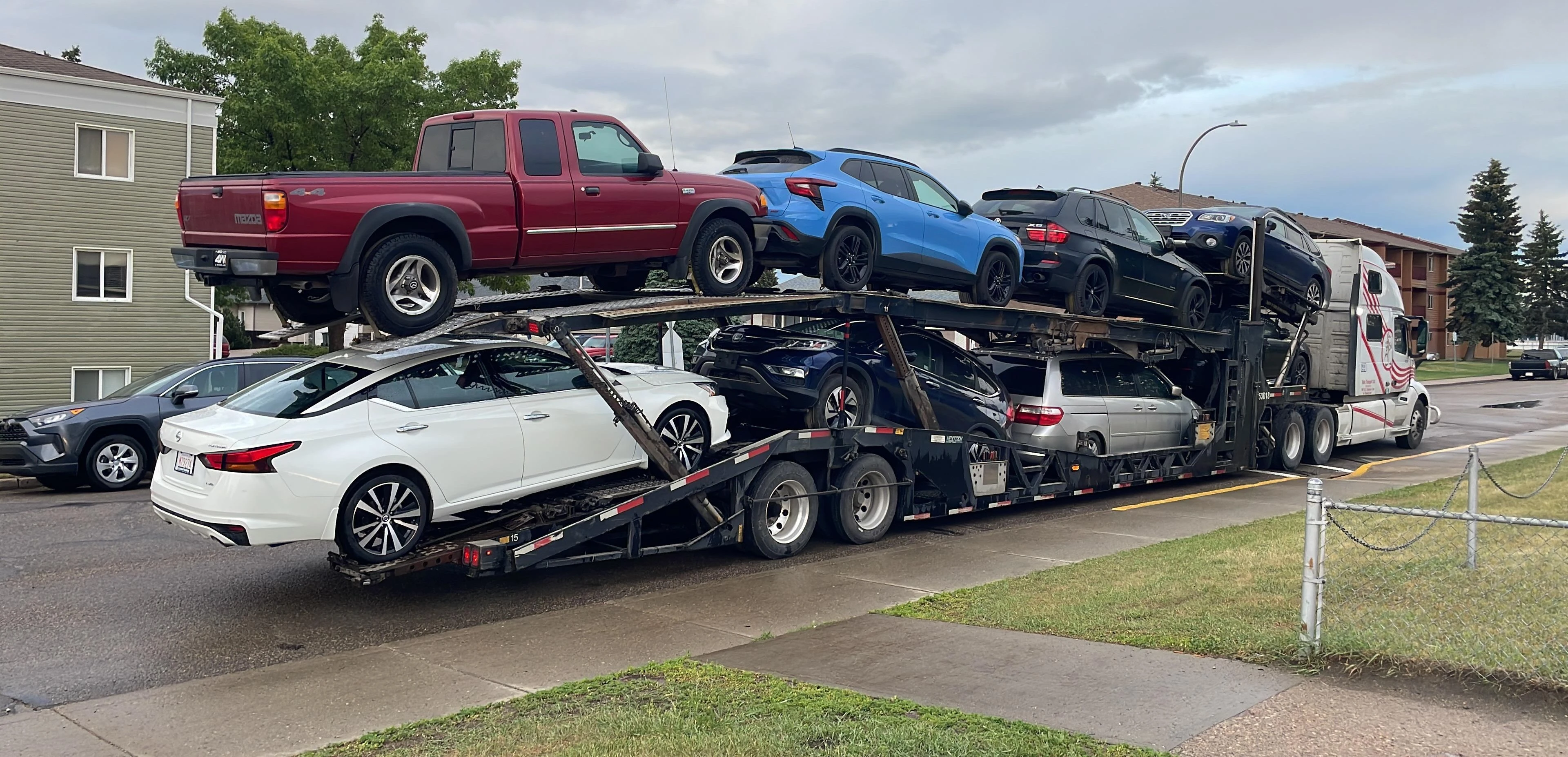
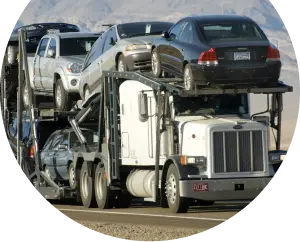
Open transport on this corridor is the most cost-effective way to move a standard vehicle from Hamilton to Burnaby, and it's the same method dealerships and fleet operators use to move vehicles across the country reliably every day. Booking with flexibility on your pickup window can reduce costs further, and Interlane's transparent quoting means the price you see reflects the actual route — five provinces, mountain terrain included.
Not sure which car shipping option is right for you? Our team is available 24/7 to answer your questions about routes, costs, and delivery times. Give us a call or send us a message — we’re happy to help.
How much does it cost to ship a car from Hamilton to Burnaby?
Shipping a vehicle coast-to-coast from Hamilton to Burnaby typically ranges from $2,038 to $5,110 CAD depending on the service type, vehicle size, and time of year. Open transport is the more affordable option, while enclosed transport for luxury, antique, or electric vehicles runs higher. Seasonal factors — particularly winter mountain conditions in Alberta and BC — can affect pricing and availability, so booking in advance helps secure better rates.
How long does it take to ship a car from Hamilton to Burnaby?
Transit time for this route is approximately 10 business days, though the exact window depends on seasonal conditions, particularly through the Rocky Mountains, where weather can cause brief delays in winter or during spring storm systems. The Northern Ontario stretch is also remote and adds meaningful drive time to the overall schedule. We provide real-time tracking so you're never left guessing where your vehicle is along the route.
Is my vehicle insured during transport?
Yes — your vehicle is covered by cargo insurance from the moment it's loaded in Hamilton to the moment it's delivered in Burnaby. A condition report is completed at pickup and again at delivery, giving you a clear record of your vehicle's state at both ends of the journey. If any issue arises during transit, you have documented coverage to support your claim.
Can I leave personal belongings in my car during shipping?
We strongly recommend removing personal belongings before shipping, particularly on a long cross-country route like Hamilton to Burnaby. Items left inside the vehicle are not covered by cargo insurance and can shift during transit — especially through mountain terrain where grades and curves are significant. Keeping the interior clear also speeds up the inspection process at both pickup and delivery.
Is enclosed transport available for this route?
Yes, enclosed transport is fully available for the Hamilton to Burnaby corridor and is the preferred option for luxury vehicles, classic cars, electric vehicles, and anything with a low ride height or high replacement value. Given the mountain crossing through Kicking Horse Pass, exposure to prairie road debris, and the length of the overall journey, enclosed transport offers meaningful protection that open carriers simply can't match in those conditions.