Vehicle Transport in CanadaVehicle Transport in Canada

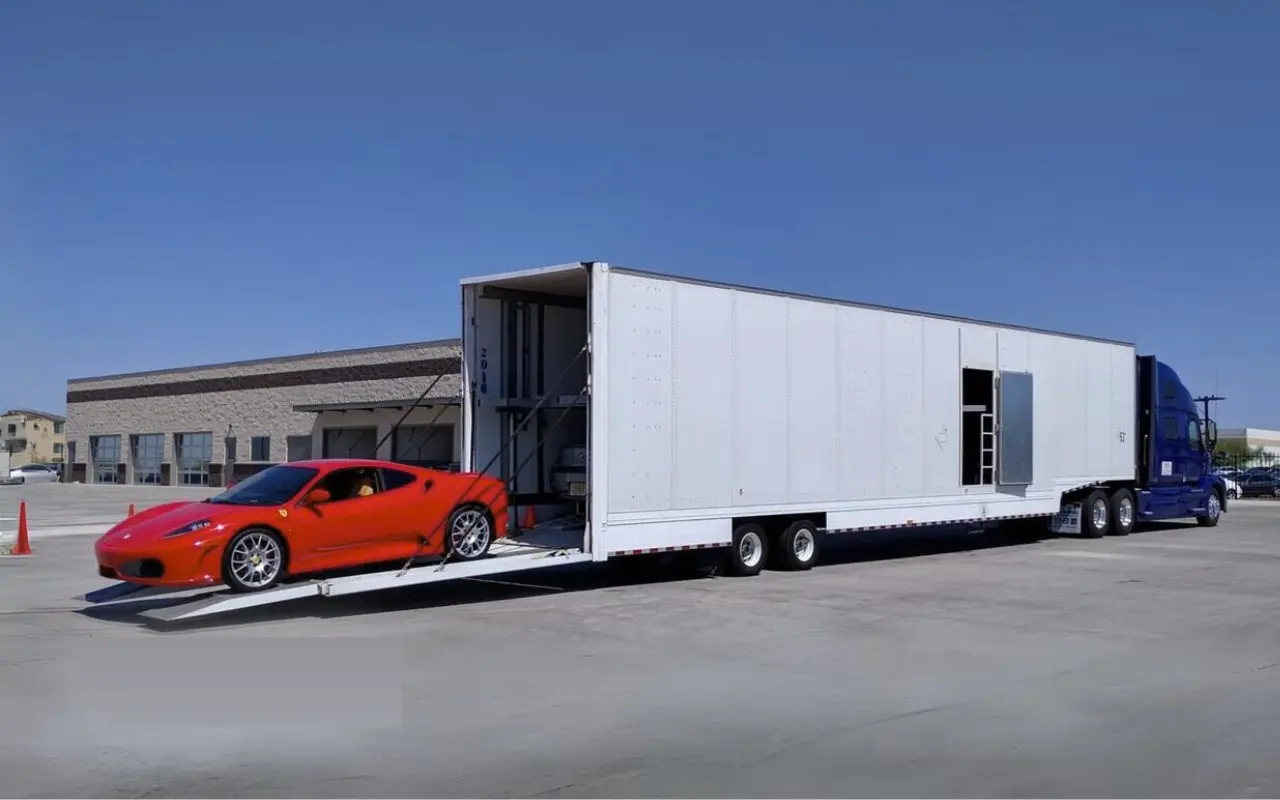
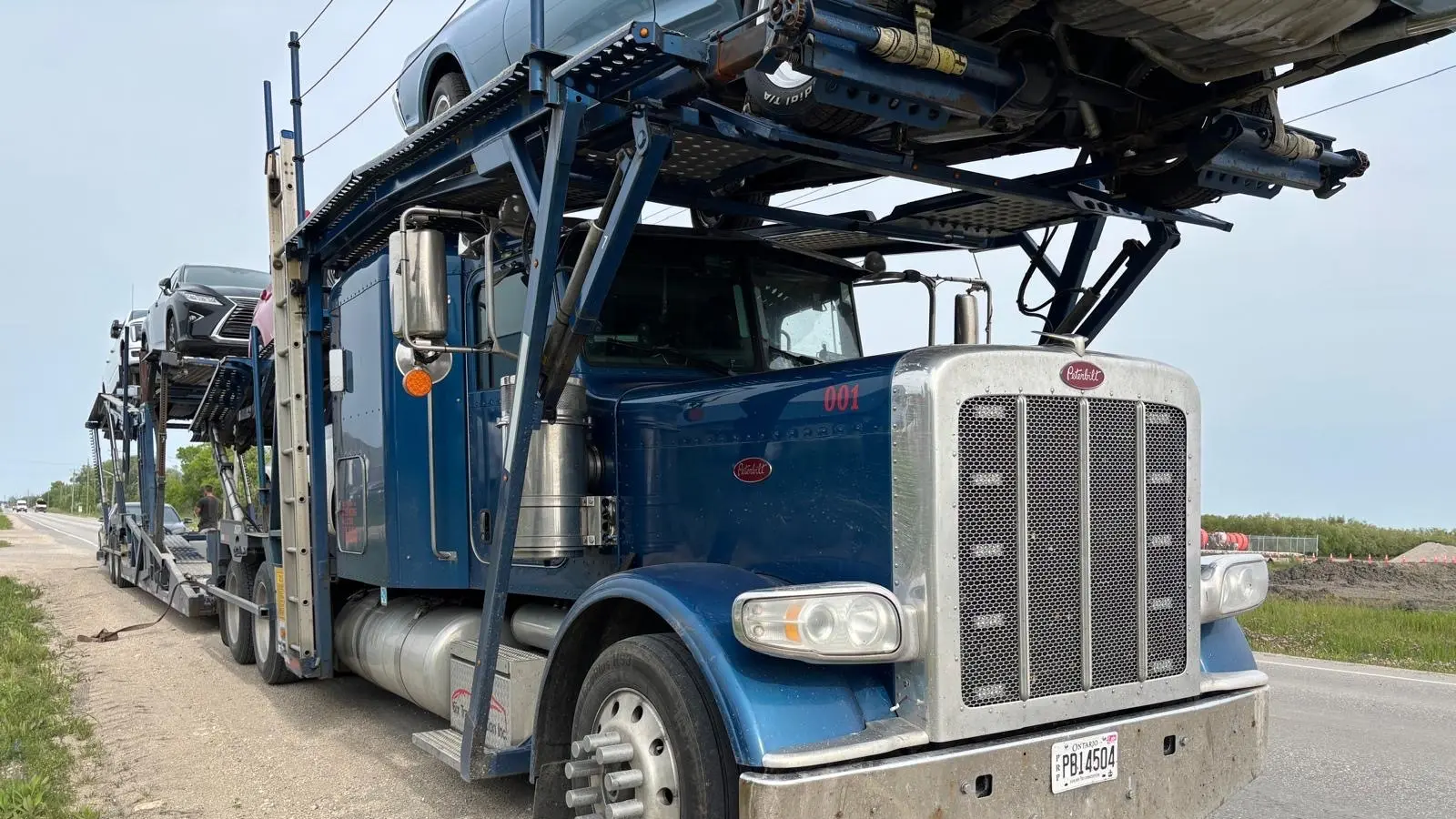
Vehicle transport in Canada — an Interlane carrier loaded with customer vehicles

What vehicle transport actually involves

Vehicle transport means moving a car, truck, SUV, motorcycle or larger vehicle on a carrier instead of driving it. The vehicle is loaded, secured, moved and released to you at the other end, and it arrives with the odometer where you left it.

People use it for the obvious reasons — moving province, buying a vehicle out of market, sending a car south for the winter — and for less obvious ones, like a vehicle that no longer runs, or one that is worth too much to put on a highway for three days.

This page covers how the service works and what drives the price. If you already know what you are shipping and want the options for that specific vehicle, the vehicles we ship section breaks it down by type.
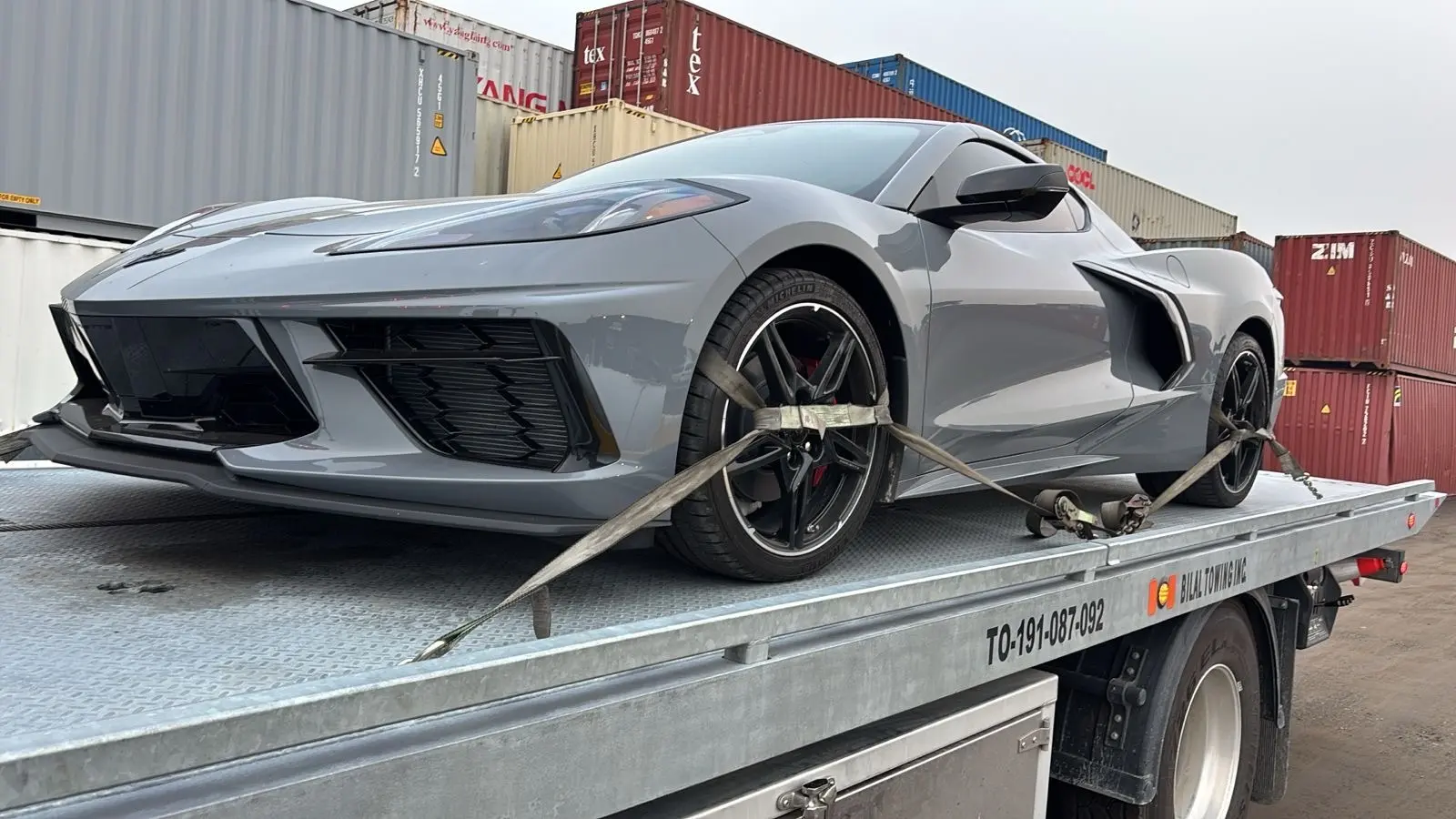
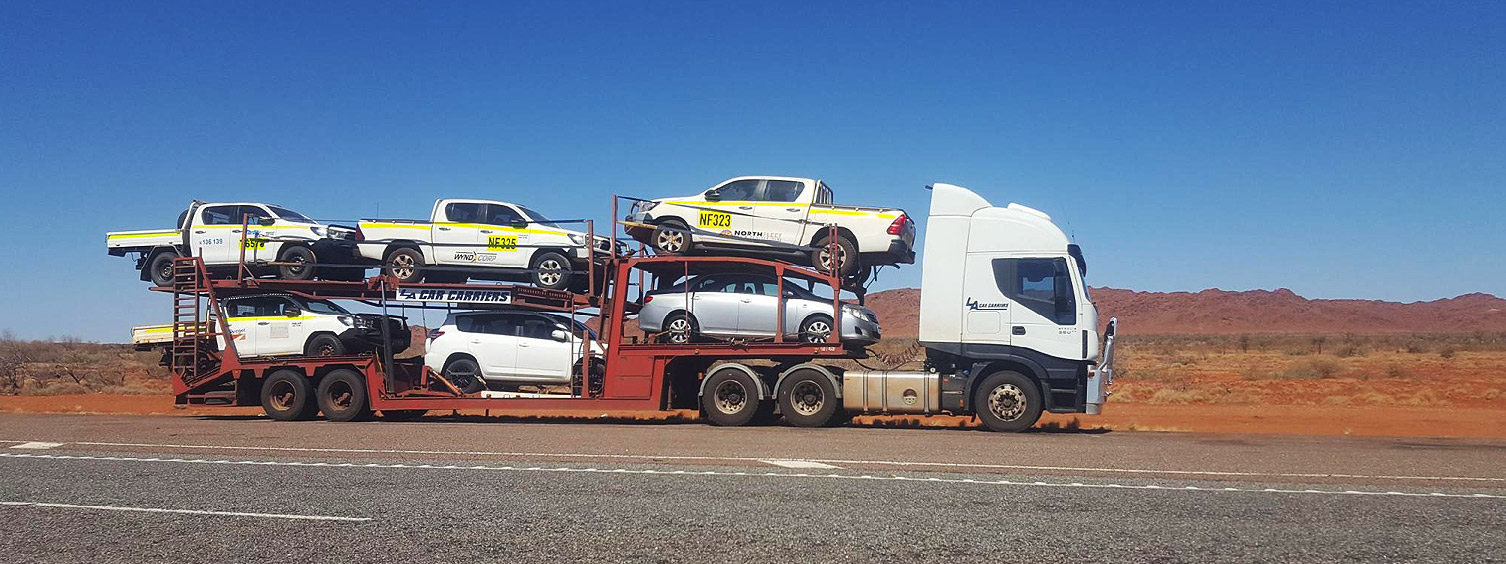
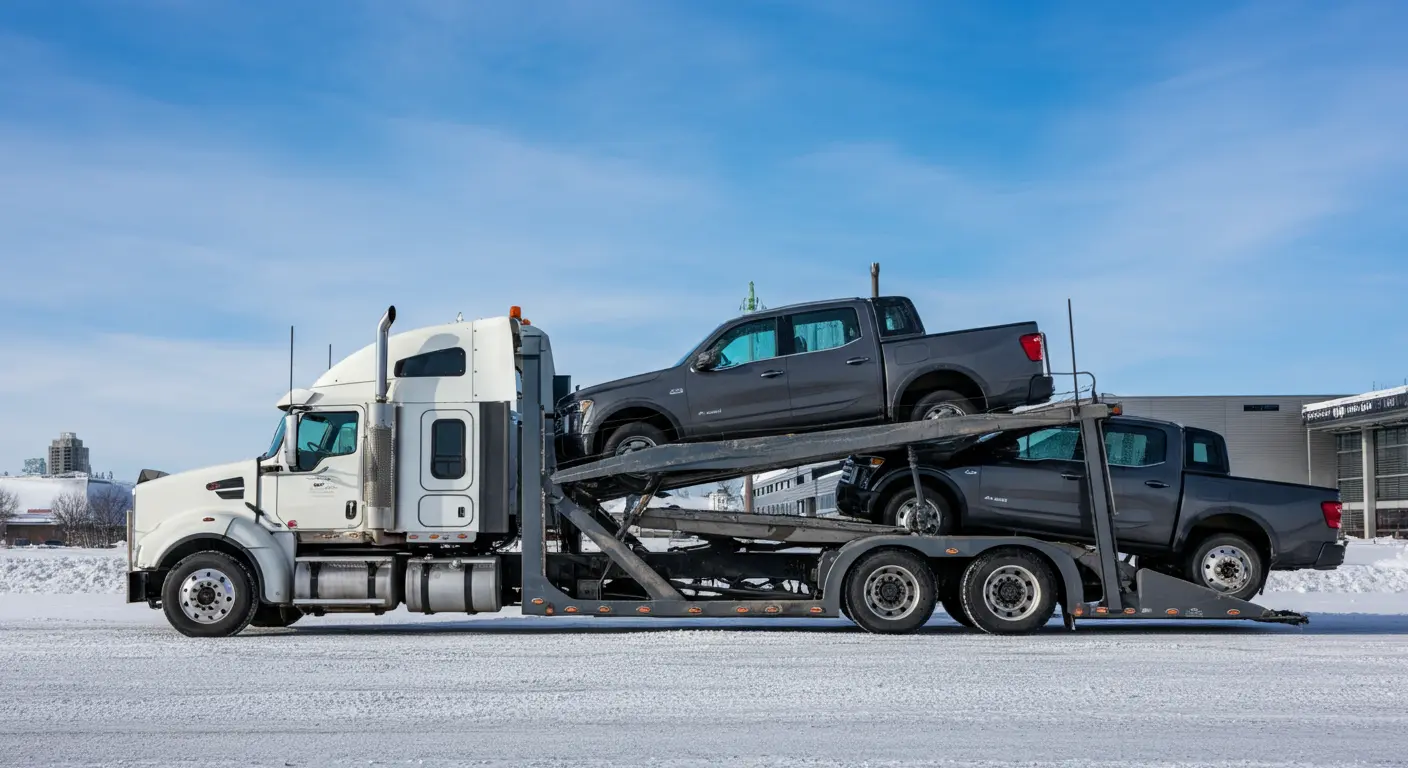
Interlane carrier on a long-distance route

What drives the price

Vehicle transport is priced per lane, not off a fixed list. These are the six things that move a quote most, and knowing them is usually enough to work out why two routes of similar length cost different amounts.

How vehicle transport works

  1. Price the route

    Enter the pickup and delivery points, the date and the vehicle. You get live pricing for that specific lane rather than an estimate someone calls you back with.

  2. Choose how it travels

    Open or enclosed, door-to-door or terminal-to-terminal. The trade-off is cost against protection and convenience, and both are priced before you commit.

  3. Book and hand it over

    Pick your date and confirm. The vehicle is inspected and its condition recorded before it goes on the carrier.

  4. Follow it and take delivery

    Track the shipment while it moves, then check the vehicle against the pickup record when it arrives.

  1. Price the route

    Enter the pickup and delivery points, the date and the vehicle. You get live pricing for that specific lane rather than an estimate someone calls you back with.

  2. Choose how it travels

    Open or enclosed, door-to-door or terminal-to-terminal. The trade-off is cost against protection and convenience, and both are priced before you commit.

  3. Book and hand it over

    Pick your date and confirm. The vehicle is inspected and its condition recorded before it goes on the carrier.

  4. Follow it and take delivery

    Track the shipment while it moves, then check the vehicle against the pickup record when it arrives.

Open vs. Enclosed Car Shipping: What’s the Difference?

Not sure which is right for you? Our team will help you choose the best option based on your vehicle and budget.

Open Carrier Transport

Open Carrier Transport

Cost

More affordable

Weather Protection

Exposed to the elements

Best For

Everyday vehicles, budget shipping

Handling & Care

Standard professional handling

Enclosed Carrier Transport

Enclosed Carrier Transport

Cost

Higher price for premium protection

Weather Protection

Fully enclosed and shielded

Best For

Luxury, exotic, collectible vehicles

Handling & Care

White-glove specialized care

Car Shipping Options

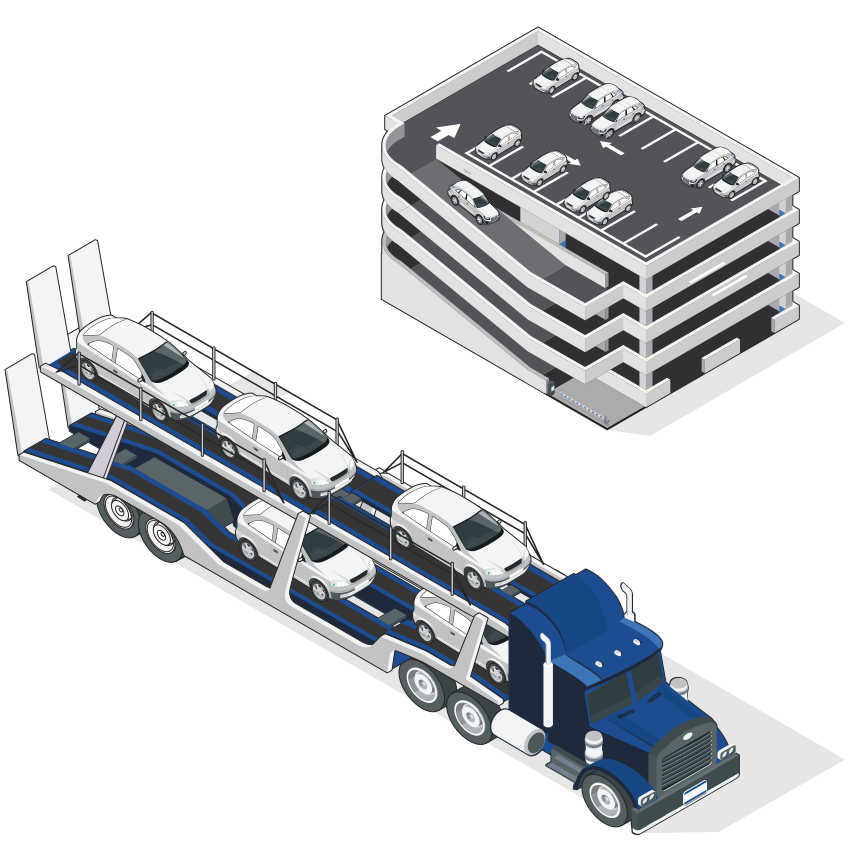
Terminal to Terminal
Terminal to Terminal icon

Your car is dropped off at a designated shipping terminal and picked up at another terminal near the destination.

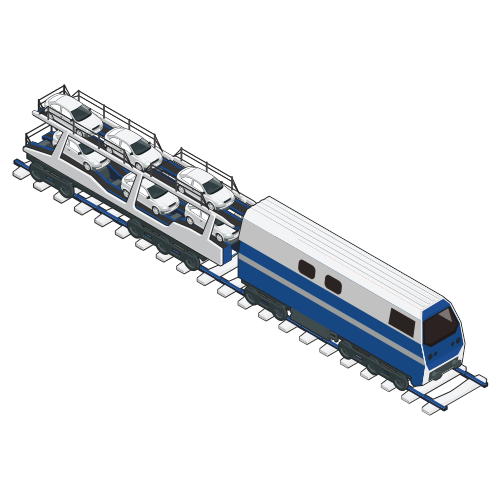
The shipping company picks up your car from your specified location and delivers it directly to the destination address via rail.

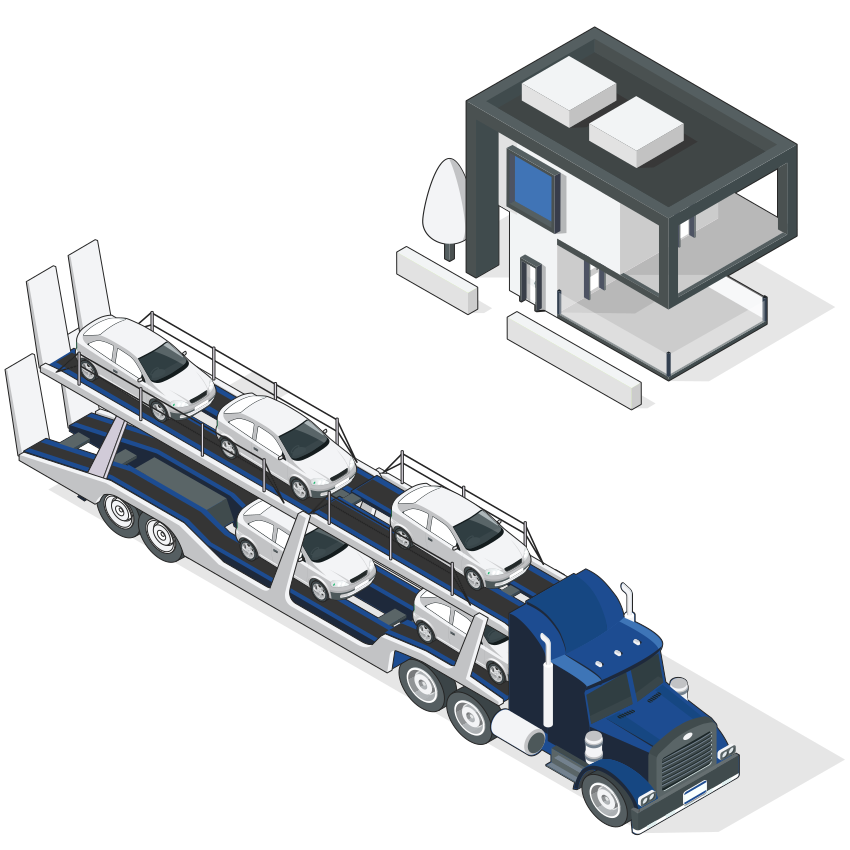
Your car is picked up at a designated address and dropped off at another address, typically your home or office.

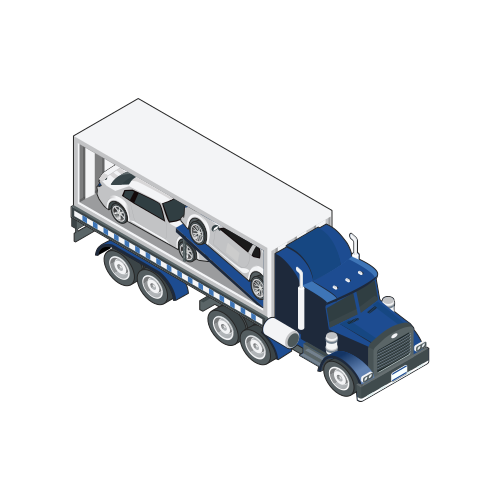
Your car is transported in a covered truck or trailer, protecting it from weather, debris, and road conditions.

Find the best rate, book in minutes!

Effortlessly find the best shipping options with our platform, connecting you to top carriers for fast, reliable, and affordable shipments. New to shipping? Our team is available 24/7 to provide support and advice.

Book now1 (866) 338-2675
Interlane carrier collecting a vehicle for transport

Real Customers,
Recent Shipments

We’ve handled just about every route you can imagine — Toronto to Vancouver, Edmonton to Houston, Halifax to Philadelphia — you name it. No matter the distance, every shipment gets the same care and attention from pickup to drop-off.

Frequently Asked
Questions (FAQ)

How much does vehicle transport cost in Canada?

There is no flat rate, because price is driven by the lane rather than a fixed price list. Distance is the biggest single factor, followed by the size of the vehicle and how busy the route is. A short run between two Ontario cities sits at the low end; a coast-to-coast move costs considerably more. The quote tool prices your actual route rather than giving you an average, so you see the real number before you book.

What actually changes the price?

Six things move a quote more than anything else: the distance, the size and weight of the vehicle, whether you choose open or enclosed, whether it is door-to-door or terminal-to-terminal, whether the vehicle runs and rolls, and the time of year. Popular lanes in peak season cost more than the same route in a quiet month.

How long does vehicle transport take?

Short provincial moves are usually a few days. A long domestic run such as Toronto to Vancouver typically falls between five and ten business days once it is on the road. Remote regions take longer, and winter conditions, mountain passes and peak moving season all widen the window. Every quote shows an estimated range for your specific route rather than a single promised date.

Open or enclosed — which do I need?

Open transport is the standard choice and what most vehicles travel on. The vehicle is exposed to weather and road spray the same way it would be if you drove it, and it is the more economical option. Enclosed transport puts the vehicle inside a trailer, shielded from weather and debris, and is worth it for luxury, exotic, classic and high-value vehicles where the cost of a stone chip outweighs the difference in price.

What is the difference between door-to-door and terminal-to-terminal?

Door-to-door means the carrier collects from and delivers to the addresses you give, as close as the truck can legally and safely get. Terminal-to-terminal means you drop the vehicle at a terminal and collect it from another one near the destination. Door-to-door is more convenient; terminal-to-terminal can come out cheaper on some lanes if the terminals happen to be near you.

Does the vehicle need to be running?

No, but you have to tell us before booking. A vehicle that does not start, steer or roll needs a winch and extra handling, which changes both the carrier assigned and the price. Declaring it up front avoids a failed pickup and a re-quote on the day.

Can I leave belongings in the vehicle?

Keep the vehicle empty. Personal items are not covered by carrier insurance, they add weight, and they can shift in transit. Anything left inside travels at your own risk.

Is my vehicle insured while it is being transported?

Every shipment travels under carrier liability coverage. If the vehicle carries a high declared value, raise that at the time of booking so the right level of protection is confirmed before it is collected rather than after.

How far in advance should I book?

A week or two of notice gives the most choice of dates and usually the better price. Same-week moves are often possible on dense corridors, but peak summer moving season, the snowbird rush and holiday periods tighten availability on the busiest lanes.

Let's get your vehicle shipped!

Let's get your vehicle shipped!

Find the best shipping options effortlessly. Get live rates, book online, and enjoy quick, reliable, and affordable vehicle transport.